Used stretch film is reusable only when you recover it without contamination and assign it to a low-consequence job. By following a controlled removal, inspection, sorting, storage and trial process, you can separate worthwhile reuse from material that belongs with an approved recycler or waste contractor.
Key takeaways
- Cut film away from your body and collect it in long sections.
- Reject film with dirt, punctures, chemical residue, or weakened edges.
- Keep reusable film separate from recyclable scraps and general waste.
- Track kilograms used, reused, rejected, and purchased each month.
How should warehouse staff remove and collect used stretch film?
1. Remove used stretch film with a safety cutter, cutting away from your body and clear of the goods. Pull it from the pallet in long sections; do not tear it repeatedly around corners, which turns recoverable film into short scraps. Follow the site’s sharps procedure for used blades.
2. Place each recovered section directly into a guarded cage, sack or gaylord beside the receiving or dispatch station. Keep it off the floor and outside forklift, pallet-truck and pedestrian lanes. This basic warehouse stretch film handling prevents slips and trips while keeping film away from wheels, forks and conveyors.
3. Remove long loose strips during every shift, not only at the end of the day. Film can wrap around footwear, wheels, forks, conveyors, fans and rotating machinery, causing falls, jams or equipment damage. Do not knot or tightly ball it: knots hide dirt and labels, while compact balls can jam balers and film-processing equipment.
4. Keep usable pieces separate from rejects at the point of unpacking. Put film that is too short, shredded or contaminated into a clearly marked recycling-only container, never the reuse stream. Cut loose film into manageable lengths only if the recycler requests it, and keep it loose.
This is how to reuse stretch film in Vadodara warehouses without weakening safety controls.
How do you decide whether recovered film is fit for reuse?
A clean-looking sheet is not automatically fit for load containment. Previous stretching changes its remaining tension and puncture resistance, so set acceptance rules for the next use and load risk, not one universal length or strength limit. For stretch film reuse in Vadodara, treat recovered film as secondary packaging.
Inspect each piece and reject it from reuse if it has:
- Visible holes, longitudinal splits, ragged edges, or stretched-out sections.
- Excessive dirt, moisture, mould, brittleness, or loss of cling.
- Embedded glass or metal, oil or chemical residue, labels, or adhesive contamination.
- A crushed or telescoped core, or damage to the core or roll edge.
Hold a clean section up to light. Run gloved fingers along both faces, then pull it smoothly; immediate splitting fails the test. Inspect the core before winding or folding the film loosely.
Use the material only when it is long enough and strong enough for the next low-risk task.
| Status | Decision | Suitable application |
|---|---|---|
| Clean, dry, intact, label-free film | Reuse | Bundling empty cartons, holding protective sheets, covering clean equipment, or consolidating lightweight stable return packaging |
| Dirty or damaged but uncontaminated polyethylene film | Recycling-only | Send through the approved film stream |
| Chemical-contaminated, mouldy, brittle, or metal-embedded film | Reject | Follow the approved disposal route |
Reused film is not a lifting sling, replacement for strapping, or sole restraint for unstable, high-value, export, or verified-containment loads.
How should you separate reusable film from recyclable and general waste?
Separate the film at the point of unpacking, not after it reaches a mixed waste pile. In warehouse stretch film handling, place clean, dry, clear, unprinted polyethylene film in the reuse container and put damaged or dirty film in a clearly marked recycling-only container.
1. Keep these streams apart: clear unprinted PE film; coloured or printed film; PP strapping; PET strapping; BOPP tape; cardboard; laminated packaging; PVC items; food waste; floor sweepings; and general plastic waste.
2. Remove paper labels, adhesive residue, metal clips and visible wet waste where the recycler’s specification permits it. Disclose these contaminants before dispatch because they can downgrade or reject a load. A recycler may accept mixed PE film only after confirming its specification.
3. Send film with chemical residue through the warehouse’s approved disposal route. Do not place chemically contaminated packaging in ordinary PE-film recycling.
4. Keep reusable pieces in the reuse container. If the recycler requests preparation, cut loose recycling film into manageable lengths, but never knot or tightly ball it; compact bundles hide contamination and can jam processing equipment.
5. Use the approved waste contractor or an authorised recycler in India, retain weighment or handover records, and prevent film from entering mixed municipal waste. These controls support segregation obligations under the Plastic Waste Management Rules and make stretch film reuse in Vadodara traceable.
How should reusable stretch film and new rolls be stored in Vadodara?
Vadodara’s hot summers and humid monsoon conditions make stretch film storage a moisture and heat-control task. Keep recovered film and new rolls in a clean, dry, covered indoor area with ventilation, shade and no condensation; an open yard is unsuitable for recovered film.
1. Keep stock away from direct sunlight, hot metal roofs, boilers, battery-charging areas, chemical stores and leaking or sweating surfaces. Heat, moisture and chemical vapour can reduce film performance and contaminate reusable pieces.
2. Store rolls off the floor on a clean, level surface. Keep new rolls in their original protective packaging, and do not drop them onto the core, lean them against walls or place heavy loads on top. A crushed core or telescoped roll can prevent correct mounting and cause uneven film delivery.
3. Fold recovered pieces loosely or wind them without tight compression. Separate them by condition and purpose, then place them in clearly labelled cages or racks marked reusable film, recycling-only film or new film. This stops a rejected piece returning to a packing station.
4. Rotate new stock first in, first out by batch, issuing older rolls before newer ones. Record the batch when it enters storage so aged or damaged packaging is identified before use.
Keep aisles clear and inspect storage after monsoon rain, roof work or condensation events. Move wet, mouldy or chemically exposed film directly to its designated recycling or disposal stream.
How can a Vadodara warehouse prove that film reuse is saving material safely?
A safe trial proves more than reduced purchasing: it shows that recovered film performs without creating damage, rework or claims. Start with low-consequence secondary packaging, not load containment, and document the baseline using new film.
1. Record kilograms issued, recovered, actually reused and rejected. Record each rejection reason and the application for every batch; roll counts hide differences in gauge, length, core weight and pre-stretch.
2. Compare new and recovered film on the same pallet type, load height, wrap pattern and transport route whenever a load test is appropriate. Record corner tears, film breaks, load movement on arrival, repacking, product damage and customer claims.
3. Review the result by kilogram, not purchase quantity alone. A cheaper buying record is not a saving if extra film, labour, damage or customer complaints erase the difference.
4. Keep new, specification-controlled film for export pallets, unstable loads, high-value goods and shipments whose containment force must be quantified. Recovered film has unknown remaining tension and puncture resistance after its first use.
5. Write a site rule naming approved reuse tasks, rejection triggers, stretch film storage locations and the person responsible for each inspection. Keep recovered film for bundling empty cartons, securing protective sheets or consolidating lightweight, stable return packaging.
If the trial exposes a specification gap, ask a supplier for gauge, roll dimensions, core condition and the intended containment task. Greenline Industries can be one local supplier considered, but documented performance and job fit matter more than recovered-film volume.
That evidence shows whether how to reuse stretch film in Vadodara warehouses is safe, measurable and worth continuing.
Related product
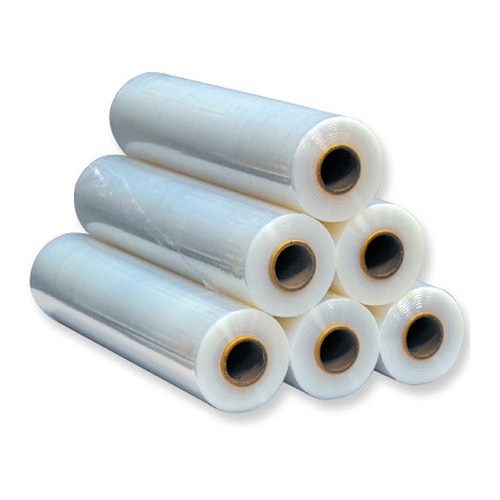 | STRETCH FILM Greenline Industries is a leading manufacturer and supplier of high-quality stretch films in India. View product → |
Frequently asked questions
How should warehouse staff remove and collect used stretch film?
Use a safety cutter away from your body and clear of the goods. Pull film from the pallet in long sections instead of tearing it around corners. Place recovered film in a clean, labelled collection container and follow the site’s sharps procedure for used blades.
How do you decide whether recovered film is fit for reuse?
Reuse film only when it is clean, dry, free from chemical residue, and strong enough for the planned load. Reject sections with punctures, heavy stretching, brittle areas, embedded dirt, or badly torn edges. Test a small section by hand before applying it to a shipment.
How should you separate reusable stretch film from recyclable and general waste?
Use separate, labelled containers for reusable film, recyclable film scraps, and general waste. Keep tape, labels, strapping, cardboard, metal, and food or chemical contamination out of the reusable-film container. Send film that fails inspection to your approved recycling or waste contractor.
How should reusable stretch film and new rolls be stored in Vadodara?
Store recovered film and new rolls indoors in a dry, shaded area away from direct sunlight, rain, hot equipment, oils, chemicals, and vehicle traffic. Keep rolls upright or on suitable racking, prevent crushing, and label recovered film with its inspection date and status.
How can a Vadodara warehouse prove that film reuse is saving material safely?
Record kilograms of new film purchased, recovered film collected, film approved for reuse, rejected film, and reused film each month. Track pallet failures, load damage, incidents, and customer complaints. Compare savings only when reused film meets the same load-security checks as new film.
Keywords