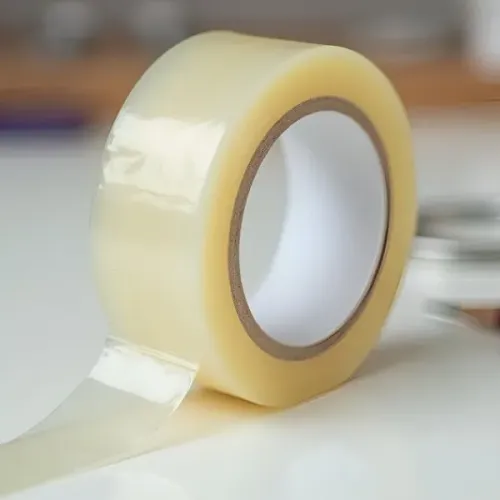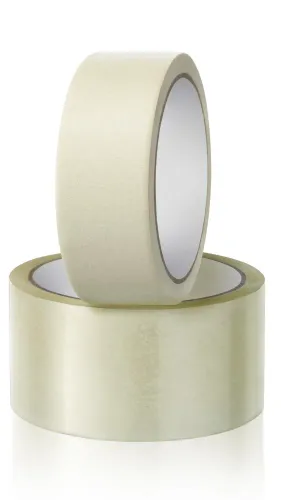
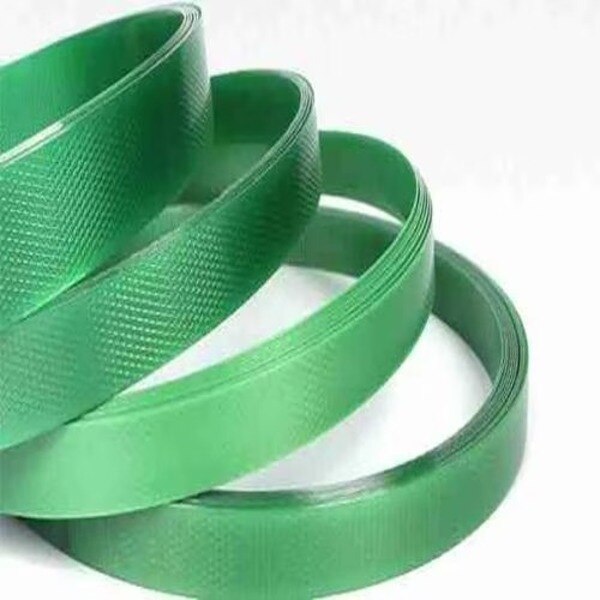
Air bubble roll cushions a product and limits scratches, but it cannot stop a wrapped load from shifting. PET strapping roll supplies that restraint around the carton, bundle, or pallet, so you can choose the right protection, apply it in the right order, and avoid crushing the package.
Key takeaways
- Use air bubble roll for cushioning and PET strap for load restraint.
- Pack and seal the bubble film before tightening the strap.
- Match bubble layers and strap capacity to product weight and fragility.
- Request strap width, thickness, breaking strength, and roll details.
What Each Material Does in the Same Package
PET strap and air bubble roll are not interchangeable: bubble film cushions the product, while PET strap restrains the completed package. The phrase what is pet strapping roll air bubble roll in vadodara points to two complementary materials, not a combined product.
Air bubble roll is low-density polyethylene film containing sealed air cells. It absorbs minor impact and vibration, reduces abrasion, and separates a finished surface from a carton or handling equipment. It will not stop a shifting load.
PET strapping roll is a polyester band tensioned around cartons or palletized units to keep them consolidated during handling and transport. The strap closes with a joint method compatible with the strap and tool, while the bubble film protects the item inside.
Neither material replaces these load-supporting elements when weight is concentrated or the package can move:
- Blocking
- Dunnage
- Edge protection
- A strong outer carton
Specify each material separately instead of ordering an unspecified wrapping roll:
- For PET strap, state width, thickness, declared break strength, elongation, and joint method.
- For air bubble roll, state film thickness, bubble diameter, roll width, roll length, and layer count.
Place a carton, rigid board, or corner protector between bubble film and high-tension strap. Direct tension can crush air cells, puncture the film, and press against the product.
How to Pack the Product Before Applying the Strap
Pack the product in layers: cushion first, create a rigid outer surface, then apply the PET strap.
1. Inspect the product for sharp corners, protruding fasteners, oil, dust, and moisture. Clean and dry it before wrapping; trapped contamination can mark finished surfaces or weaken adhesion.
2. Wrap the finished surface with air bubble roll. Place the bubbles toward the side that needs cushioning, and reject film with punctures. Add extra layers at corners, contact points, and irregular projections instead of adding loose film everywhere.
3. Overlap each turn enough to leave no exposed gaps. Tape or otherwise secure the wrapping roll so it cannot unwind during carton loading. Tape holds the wrap in place; it is not load restraint.
4. Add a carton, sleeve, rigid board, or pallet-facing outer layer over the cushioning. The PET strap must bear on this outer layer, not directly on exposed bubbles.
5. Fit corner boards wherever the strap will cross carton corners or pallet edges. For glass, coated surfaces, electronics, or painted parts, place foam pads or a rigid separator under every expected strap path.
6. Pull the bubble film smooth before closing the carton. Loose folds and trapped air pockets create pressure points when strap tension is added.
7. Keep all film inside the outer package perimeter. The finished strap path should contact the carton, board, or sleeve, because direct tension can crush bubbles, form narrow pressure lines, and dent the product.
How to Choose Bubble Size, Layers, and Strap Capacity
Match bubble diameter and layer count to the product’s exposure, not to the air bubble roll width alone.
| Bubble choice | Protection effect | Use it when |
|---|---|---|
| Small bubbles | Surface protection and light cushioning | Clearance is limited or the finish needs scratch protection |
| Large bubbles | More separation from impact | The item needs greater cushioning and has no concentrated load pressing on the film |
| Additional layers | More resistance to vibration and contact damage | The product is sharp-edged, irregular, vibration-sensitive, or high-value |
Larger bubbles puncture and flatten more readily under concentrated weight. Add cardboard or foam at corners, projections, and other puncture points instead of relying on bubble film alone. For moisture-sensitive goods, use a sealed inner bag, desiccant system, or laminated construction because polyethylene bubble film is not a sealed moisture barrier.
Choose a pet strap or pet strapping roll from load weight, carton strength, pallet stability, handling conditions, and expected vibration. Compare width and thickness with declared break strength, elongation at break, and joint efficiency; width alone proves little. The strap’s break strength is not the safe working capacity of the completed package.
Select a friction-welded joint, heat seal, or buckle that matches the strap and tool. Set tension high enough to hold the load, but low enough to avoid crushing cartons, deforming plastic products, cutting into boards, or flattening the air bubble roll.
Where the Strap Should Sit and How to Apply It
PET strap can touch bubble film, but high tension must not bear directly on exposed air bubble roll. It can crush cells, create narrow pressure lines, puncture the film, and transfer force to the product. Place a carton, rigid sleeve, corner boards, foam pads, or outer boards between the bubbles and the strap.
Keep the strap on flat, supported faces, square to the load, and clear of loose film beneath its path.
- For a small package, use a manual tensioner with a compatible seal; set it for the strap’s width and thickness.
- Use clean, correctly aligned strap surfaces with a friction-welded tool.
- Stop tensioning when the package is consolidated. More tension can cut cartons, crush contents, or deform plastic products.
- Check that the joint is fully formed, the strap has no twist, exposed edges face away from handling routes, and no corner is cutting into a fragile surface.
- Add a second strap only when it improves stability instead of concentrating pressure in one area.
| Tool | Best fit | Main difference |
|---|---|---|
| Manual tensioner | Small or occasional packages | Lowest equipment cost; tension depends on the operator |
| Battery or pneumatic tensioner | Repeated package work | Improves tension repeatability and speed |
| Automatic strapping machine | Consistent carton or pallet lines | Delivers fast, repeatable application with fixed machine settings |
What to Request From a Vadodara Packaging Supplier
The phrase what is pet strapping roll air bubble roll in vadodara describes two materials, not one product. Clarify “wrapping roll” before ordering: it could mean bubble film, stretch film, or another flexible packaging material.
| Material | Request before purchase | Compatibility check |
|---|---|---|
| PET strap | Width, thickness, colour, nominal break strength, elongation, joint efficiency, core size, roll weight or length, and recycled-content percentage where relevant | Confirm the strap suits your manual tensioner, sealer, or strapping machine |
| Air bubble roll | Film thickness, bubble diameter, roll width and length, layer count, puncture or cushioning requirement, perforation, antistatic treatment, and laminated or unlaminated construction | Confirm whether you need polyethylene bubble film, stretch film, or a laminated moisture barrier |
Store both materials on level pallets or cores in and around Vadodara. Keep them away from prolonged direct sunlight, standing water, dust, and excessive heat; protect roll edges from telescoping and crushing.
At unpacking, separate polyethylene bubble film from polyester PET strap because they enter different recycling streams. Greenline Industries can help you compare these specifications as a matched packaging system rather than selecting a PET strap or bubble roll by name alone.
Related product
 | PET STRAP Get premium quality PET straps from Greenline Industries. Our polyester strapping solutions offer superior strength, durability, and cost-effective... View product → |
Frequently asked questions
What does PET strap do alongside air bubble roll?
Air bubble roll cushions the product against impact and surface contact. PET strap holds the completed package together and limits movement during handling.
How should you pack a product before applying PET strap?
Wrap the product with enough air bubble film to cover exposed faces and corners, secure the wrapping, then place the strapped outer package around the protected product.
How do you choose bubble size, layers, and PET strap capacity?
Choose bubble size and layers based on fragility, surface sensitivity, void space, and handling risks. Select PET strap capacity for the package weight, dimensions, stacking load, and handling method.
What should you request from a Vadodara packaging supplier?
Ask for PET strap width, thickness, breaking strength, elongation, core size, roll length, and joint or sealing guidance. For air bubble roll, request bubble height, film thickness, roll width, and roll length.
Keywords