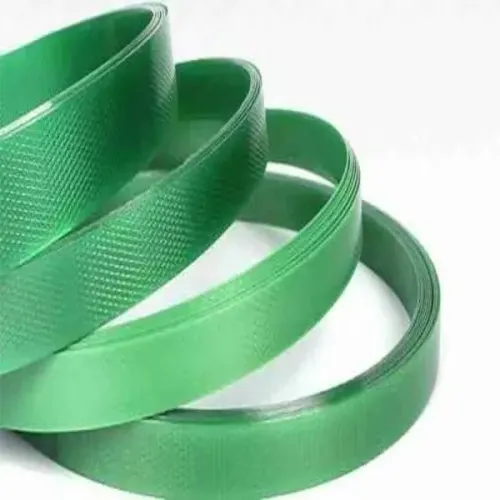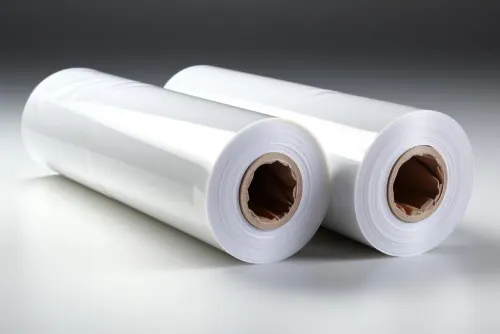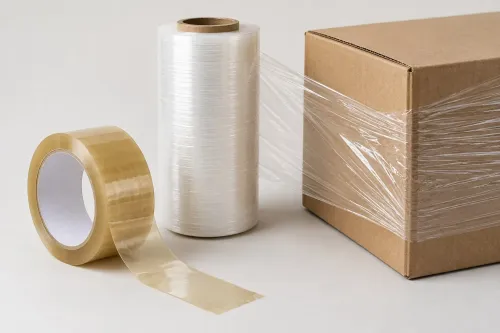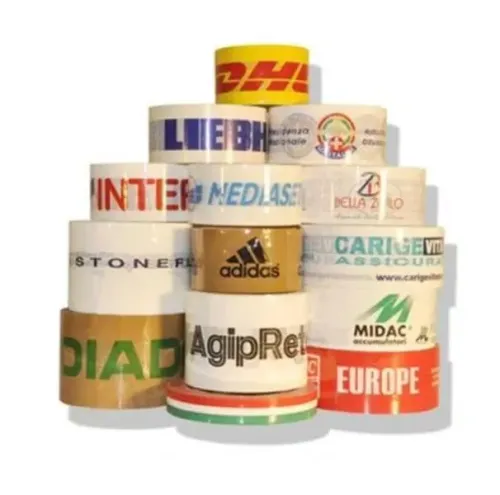
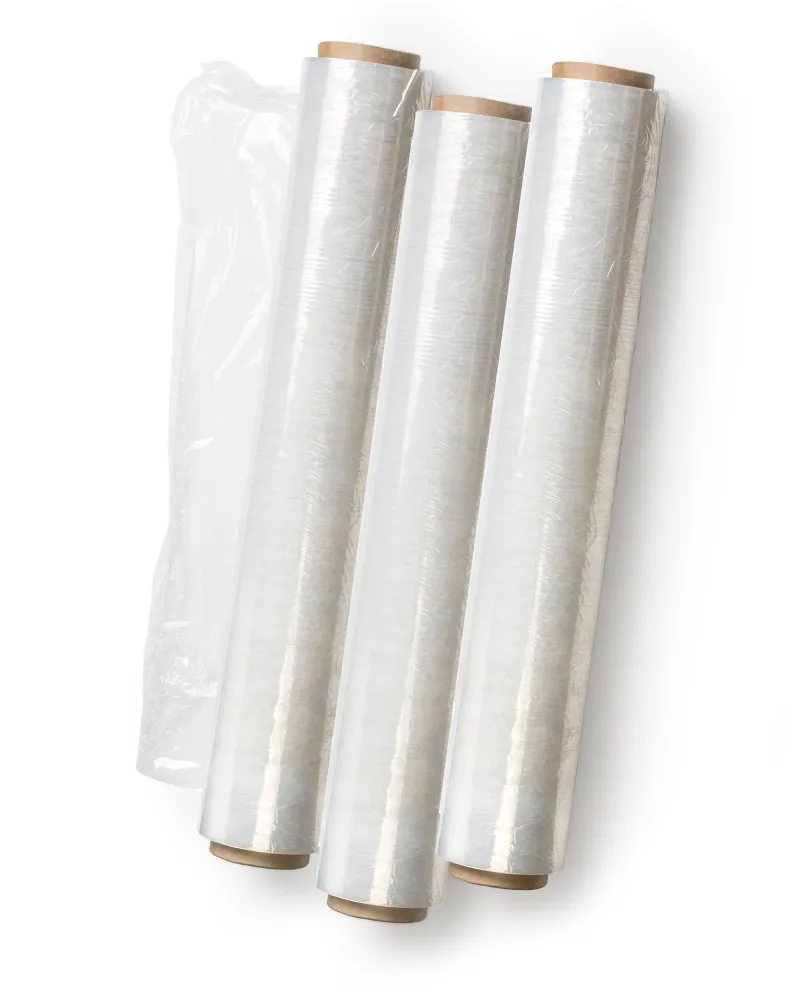
Wrapping materials help businesses contain, protect and organise goods as they move between production, storage and dispatch. Yet the term 'wrapping roll' can cover different requirements, which makes it important to define the application before placing a bulk order. Buyers looking for a Wrapping Roll Supplier in Vadodara should begin by examining what needs to be wrapped and why.
A clear specification can prevent both under-packaging and unnecessary material use.
Identify the Purpose of Wrapping
Different operations wrap products for different reasons.
A manufacturer may want to contain cartons on pallets. A warehouse may need to bundle products temporarily. An e-commerce operation may use wrapping materials as part of its dispatch process.
Start by identifying the primary objective:
- Load containment
- Surface protection
- Bundling
- Warehouse handling
- Pallet wrapping
- Dispatch preparation
- Protection from dust and routine contamination
The intended purpose determines which characteristics matter most.
Understand the Load
Before approaching a supplier, collect basic information about the items being wrapped.
Measure the load dimensions and note whether it is regular or irregular. Identify sharp corners, protruding components and unstable layers.
Also determine typical load weight and whether products are packed in cartons, bags, containers or another format.
This information helps distinguish a general purchasing enquiry from a procurement-ready requirement.
Manual and Machine Applications Need Different Planning
Facilities wrapping a small number of pallets may rely on manual application, while larger operations may use wrapping equipment.
The chosen roll should match that process.
Manual rolls need to be practical for operators to handle. Mechanised applications require compatibility with the relevant equipment.
Buying material first and checking equipment later can create avoidable waste.
Calculate Your Real Consumption
Businesses preparing for supplier selection should know approximately how many rolls they use over a typical month.
If records are unavailable, conduct a short consumption audit.
Track:
- Number of loads wrapped
- Rolls consumed
- Average material used per load
- Film breaks or wastage
- Rewrapping frequency
- Seasonal demand changes
These figures make future purchasing and inventory planning more accurate.
Evaluate a Sample Under Real Conditions
A wrapping roll should be assessed in the environment where it will actually be used.
Have operators wrap representative products or pallets. Move those loads through normal warehouse handling and inspect them afterward.
Look for excessive tearing, loosening, difficult application or unnecessary material usage.
If the product performs well, establish a standard wrapping method so different employees do not use dramatically different quantities.
Consider Local Procurement Practicalities
Vadodara supports a broad network of manufacturing, engineering, pharmaceutical, logistics and distribution businesses. Packaging demand can therefore fluctuate with production and dispatch schedules.
Greenline Industries supplies industrial packaging products for businesses operating in Vadodara and across Gujarat. Procurement teams evaluating wrapping materials can make supplier discussions more efficient by sharing consumption volume, application method and load characteristics from the beginning.
Local availability can be useful for replenishment planning, but buyers should still evaluate product consistency, specifications and commercial terms.
Review More Than the Quoted Rate
For recurring industrial purchases, a useful supplier evaluation should consider:
- Specification consistency
- Usable material per roll
- Performance during application
- Packaging of supplied rolls
- Order quantities
- Repeat supply capability
- Lead times
- Communication around requirements
The objective is to understand the total value of the material within the packaging operation.
Know Your Reorder Point
Once monthly consumption becomes predictable, establish a minimum inventory level.
The reorder point should provide enough stock to cover ordinary consumption during the expected replenishment period, with a reasonable allowance for demand variation.
This avoids both emergency shortages and excessive warehouse inventory.
Wrapping roll procurement becomes far more efficient when buyers move from generic product enquiries to application-based specifications. For manufacturing and warehouse businesses in Vadodara, knowing the load, wrapping method, monthly consumption and required performance creates a stronger basis for supplier selection and repeat purchasing.
Keywords