A metal clip is one way to join strap ends, not a universal requirement for every pallet, carton or industrial load. By comparing strap material, joining method, load geometry, weather exposure and tool compatibility, you can decide when a clip is justified and specify a joint that will hold in handling.
Key takeaways
- Use metal clips when the strap and tensioning tool are designed for mechanical joints.
- Match seal width, profile and material to the strap and sealer.
- Choose welded joints when compatible equipment delivers consistent closure strength.
- Test tension loss, seal integrity and load movement before shipment.
When does a strapped load actually need a metal clip?
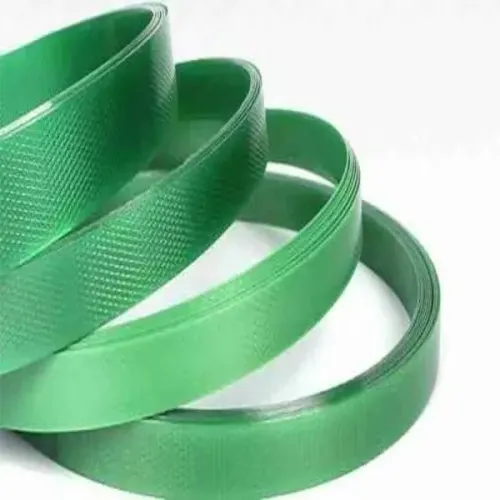
Metal clips for strapping loads in Vadodara are necessary only when the strap, load conditions and available equipment call for a mechanical joint. PET and PP strap can use a compatible metal seal, or heat-welding/friction-welding equipment. Steel strap normally requires a matched seal, sealer and crimp pattern.
| Option | Joint method | Best fit |
|---|---|---|
| PET or PP | Metal seal or welded joint | Choose by equipment, load and qualified joint performance |
| Steel | Matched seal, sealer and crimp | Use the complete steel-strap joining system |
| Certified cargo tie-down | Approved restraint system | Do not rely on a pallet clip alone |
Choose a clip when welding equipment is unavailable, the operating process requires a mechanical seal, or the complete clipped joint has been qualified for the load. Choose welding when you need consistent production joints and have electricity or compressed air plus compatible equipment.
ASTM D3950 addresses nonmetallic strapping and joining materials. ASTM D3953 addresses zinc-coated and uncoated flat steel strapping. Neither standard makes clips mandatory for every application; both provide a basis for specifying strap and joint performance.
A strapped pallet is packaging unitization, not automatically certified cargo restraint. Road transport securement must resist braking, acceleration and cornering under the applicable regulation or carrier specification. A pallet clip alone cannot meet that requirement. Test the complete joint on the actual load, including strap count, tension and corner protection.
How do metal seals compare with heat-welded and friction-welded joints?
Metal seals suit portable or low-infrastructure operations because they need no weld-capable tool, electricity or compressed air. They also simplify repair work and accommodate variable package sizes. A metal clip for PET strap in Vadodara is an alternative to welding, not an automatic upgrade.
| Method | Main advantage | Main trade-off |
|---|---|---|
| Metal seal | Portable, repairable and adaptable | Adds a separate part and depends on correct crimping |
| Heat-welded joint | Removes the metal seal and suits repeat production | Needs controlled heat, pressure, time and cooling |
| Friction-welded joint | Produces consistent PET or PP joints without a separate seal | Requires compatible equipment, clean strap and the correct grade |
Welded PET or PP joints produce repeatable results when operators control strap cleanliness, temperature, welding time, pressure and cooling. Under-welding, overheating, contamination, inadequate cooling and welding a strap grade outside the sealer’s design range all cause weak joints or slippage.
Protect PET clip joints from excessive crimp force, sharp seal edges and incorrect seal sizing; these can cut or crush the strap. A metal clip for PP strap in Vadodara needs especially careful tensioning and crimping because PP has lower stiffness and higher elongation, so tension retention is less forgiving.
Choose based on the assembled package, not convenience alone. Measure joint break load, slippage and residual tension on production-representative packages after handling or storage, rather than comparing only nominal strap breaking strength.
How do you match a clip to the strap and tensioning tool?
Before buying packaging strap clips in Vadodara, record the strap polymer or steel grade, nominal width, thickness, surface profile and breaking-strength class. Match the clip’s inside width to the strap: it must slide over the strap without forcing, but must not leave excessive lateral play.
Confirm the clip length, metal thickness, profile and internal clearance from the packaging or technical sheet.
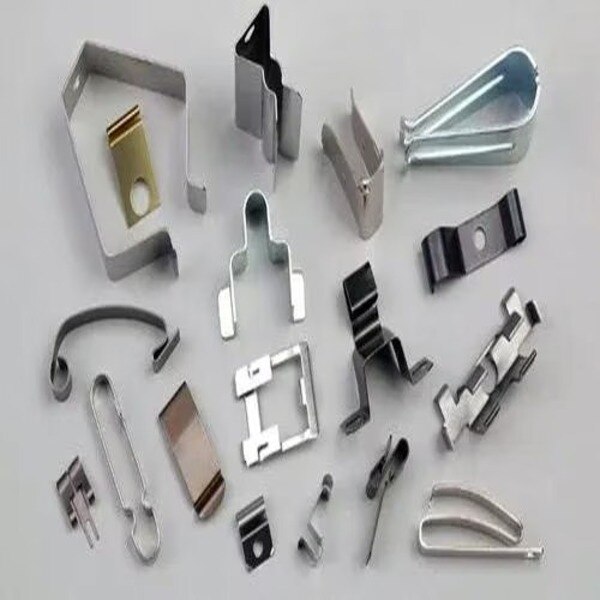
1. Identify the seal style. An open seal is a C-shaped piece applied around overlapping ends; a closed seal is a sleeve placed over the overlap; a serrated seal uses teeth to grip the strap; a snap-on seal is preformed for quick placement.
These styles are not interchangeable: each needs its specified sealer jaw, tensioner or crimp pattern.
2. Check the tool nameplate, manual or die marking for accepted strap widths and seal styles. Confirm that the seal cavity and crimp dies match the selected seal, strap thickness and profile.
3. Overlap the strap ends, place the seal over them, and position the assembly in the tensioner or sealer. Apply the specified tension, then crimp or seal according to the tool design.
Reject any seal that is merely close to the strap width, especially for steel strap. Poor engagement can leave an incomplete crimp, allow slippage or cut the strap even when the nominal dimensions appear similar.
Which clip specification suits Vadodara handling and storage conditions?
Choose the clip by package geometry, exposure and handling risk, not mass alone. Sharp corners need corner protectors; fragile cartons need load separators; settling needs suitable tension and enough straps to retain compression.
| Clip option | Exposure and trade-off | Select when |
|---|---|---|
| Uncoated carbon steel | Lowest corrosion protection; rust can stain or contaminate the joint | Clean, dry indoor storage with short exposure |
| Galvanized or zinc-coated steel | Better resistance to humidity and monsoon exposure; higher cost | Outdoor or humid storage where exposure duration is defined |
| Other corrosion-resistant coating | Protection depends on the coating and chemical compatibility | Salt, chemicals, or strict cleanliness requirements apply |
Metal adds hazards. An exposed crimp edge can snag gloves, damage conveyors or injure handlers, while a loose seal complicates recycling.
- Inspect every crimp for sharp projections, incomplete engagement, strap cuts, corrosion and seal movement.
- Orient the seal so its crimped edges face away from handling paths, conveyor surfaces and accessible carton faces.
- Collect removed or loose seals in a designated metal-waste container rather than leaving them in recyclable cartons or on the floor.
Give a strapping seal clips supplier in Vadodara the actual strap width, thickness, polymer or steel grade, tool model, seal style, coating and application conditions. Greenline Industries is one supplier a buyer can consult for that specification review, but do not order generic clips.
Confirm any recommendation by testing the finished package under representative tension, strap count, handling and storage conditions. A clip that fits the strap can still fail when settling, corner damage or corrosion changes the joint.
Related products
 | METAL CLIP Greenline Industries manufactures high-quality metal clips for secure strapping and packaging applications. View product → |
 | PP STRAP Buy high-quality PP straps from Greenline Industries. Strong, lightweight, and cost-effective strapping solutions for cartons, pallets, and... View product → |
How do you prove that a clipped load will remain secure?
A clipped load is proven secure only when the complete package passes testing with production-representative samples, not when the strap’s nominal strength looks adequate.
Make samples using the actual strap batch, seal batch, tool settings, operator method, strap count and corner-protector arrangement. Record these details, then test each sample:
- Measure joint break load, seal slippage and residual tension immediately after assembly.
- Repeat the measurements after representative handling or storage, such as pallet movement, stacking, vibration or the planned storage period.
- Compare the results with the load’s handling requirements and the manufacturer’s documented joint performance, never with strap tensile strength alone.
| Measure | What to compare | Failure warning |
|---|---|---|
| Joint break load | Required package load and documented joint performance | The seal opens before the package’s handling load is reached |
| Seal slippage | Allowable movement for the package and seal specification | The strap pulls through or the seal shifts |
| Residual tension | Tension needed to keep the load stable after handling or storage | The strap loses tension and the load settles or separates |
Inspect every joint for incomplete crimp engagement, crushed PET or PP, strap cuts, exposed sharp edges, corrosion and seal movement. Reject samples showing any of these conditions.
Requalify the joint after changing open to closed seals, crimp patterns, strap thickness or tension. Use the clip only when testing confirms performance for the specific load and environment; otherwise use a qualified welded joint or revise the strap, tool, corner protection and strap count.
A packaging joint is not automatically a certified restraint against vehicle braking, acceleration or cornering.
Frequently asked questions
When does a strapped load actually need a metal clip?
Use a metal clip when the strap system requires a mechanical joint, the load needs immediate handling, or no compatible welding tool is available. PET and PP systems can use compatible seals, while steel strap normally needs a matched seal, sealer and crimp pattern.
How do metal seals compare with heat-welded and friction-welded joints?
Metal seals close the joint mechanically and work across suitable strap types when the seal and crimp are correctly matched. Heat-welded and friction-welded joints avoid a separate seal but require compatible equipment, clean strap surfaces and correct welding settings.
How do you match a clip to the strap and tensioning tool?
Match the clip to the strap material, width, thickness and surface profile, then confirm that the sealer accepts that clip shape. Test the complete combination rather than selecting a clip by width alone.
Which clip specification suits Vadodara handling and storage conditions?
Select the seal material and finish for the load's exposure to moisture, dust, handling impact and storage duration. For outdoor or humid storage, confirm corrosion resistance and inspect the joint after transport trials.
How do you prove that a clipped load will remain secure?
Record strap type, seal specification, tension setting and crimp pattern, then inspect the joint and run a handling or transport simulation. Check for slipping, broken crimps, strap damage and loss of tension.
Related product
 | PET STRAP Get premium quality PET straps from Greenline Industries. Our polyester strapping solutions offer superior strength, durability, and cost-effective... View product → |
Keywords